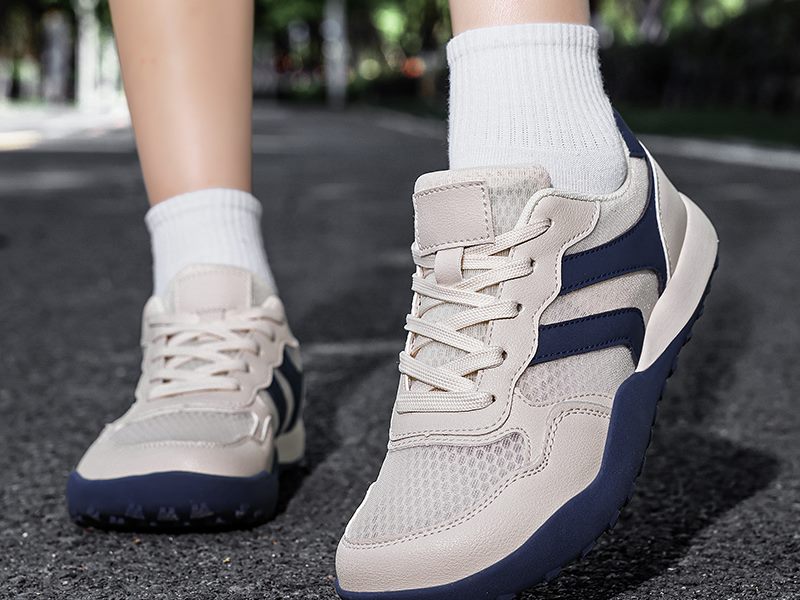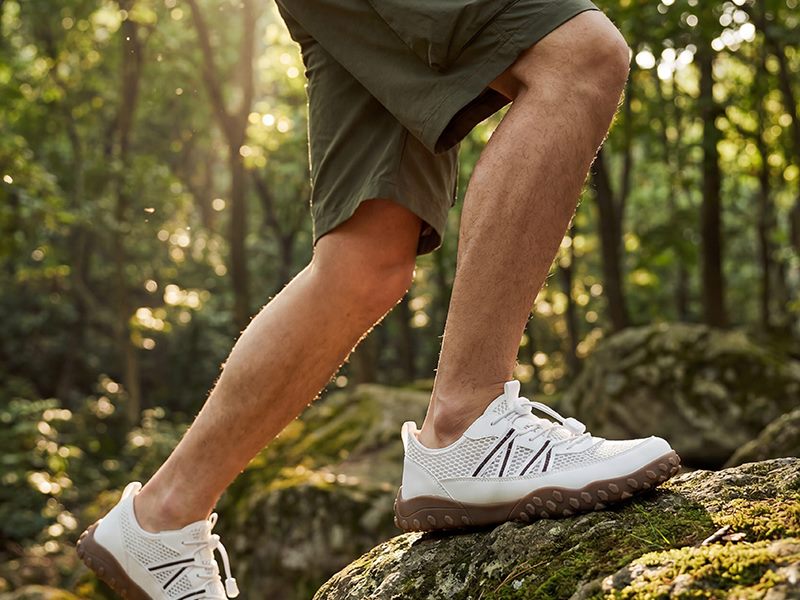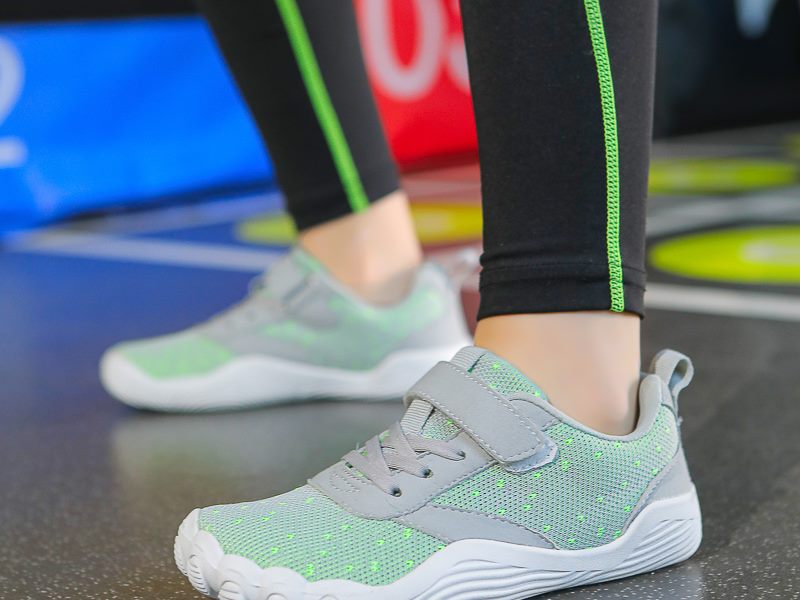
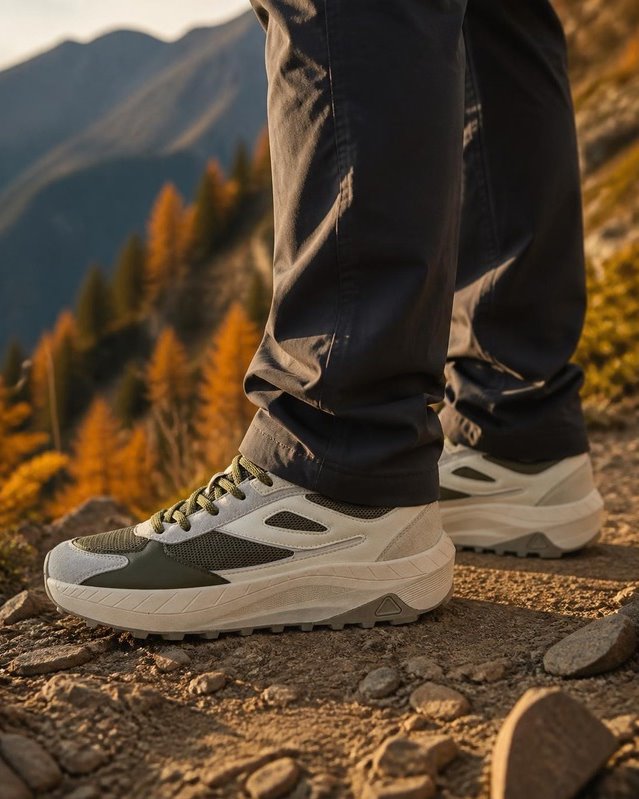
The sole decides how a shoe feels, how long it lasts and what it costs. These are the four sole materials you will see most often in our catalog.
| Material | What it is | Strengths | Typical use |
|---|---|---|---|
| Rubber | Natural or synthetic rubber outsole | Grip, abrasion resistance, durability | Barefoot-style soles, outsole pods, outdoor shoes |
| EVA | Lightweight foam | Light and cushioned | Midsoles, slip-ons, comfort walkers |
| MD | Compression-moulded (Phylon-type) EVA | Cushioned, holds shape, can be moulded thick | Running and cushioned trainers |
| TPR | Thermoplastic rubber | Good value, flexible, easy to colour | Casual and outdoor outsoles |
Common combinations
- EVA or MD midsole + rubber outsole — cushioning with grip where the shoe touches the ground. See our running & cushioned styles.
- Thin flexible rubber sole — the barefoot-style feel. See barefoot trail & water shoes.
- EVA + TPR — light outdoor and hiking sneakers. See outdoor & hiking.
What to ask your supplier
- Which material is the midsole and which is the outsole?
- Can the sole colour be changed for your brand?
- Which tests can be arranged for your market (for example slip or abrasion tests)?