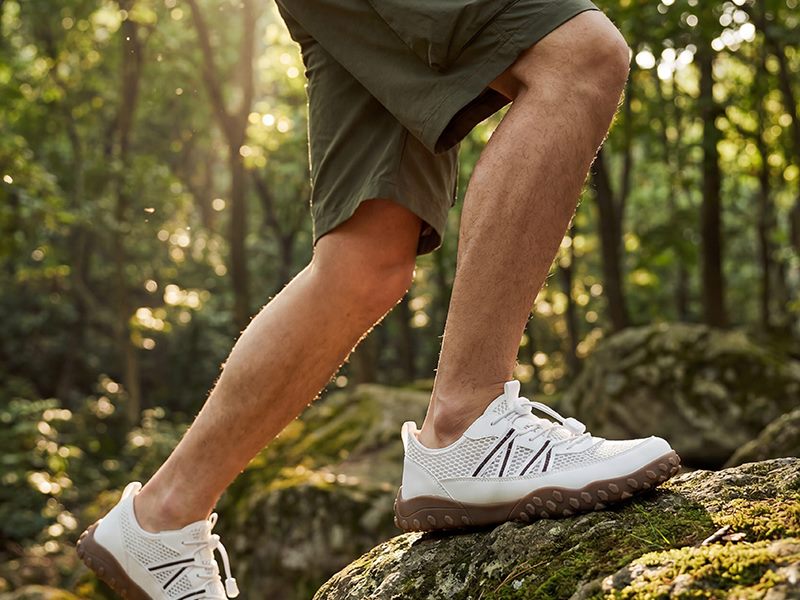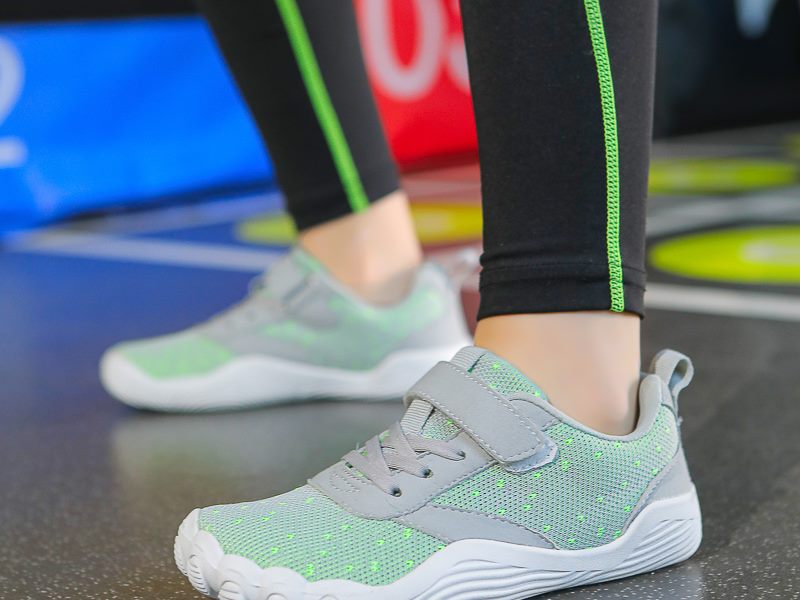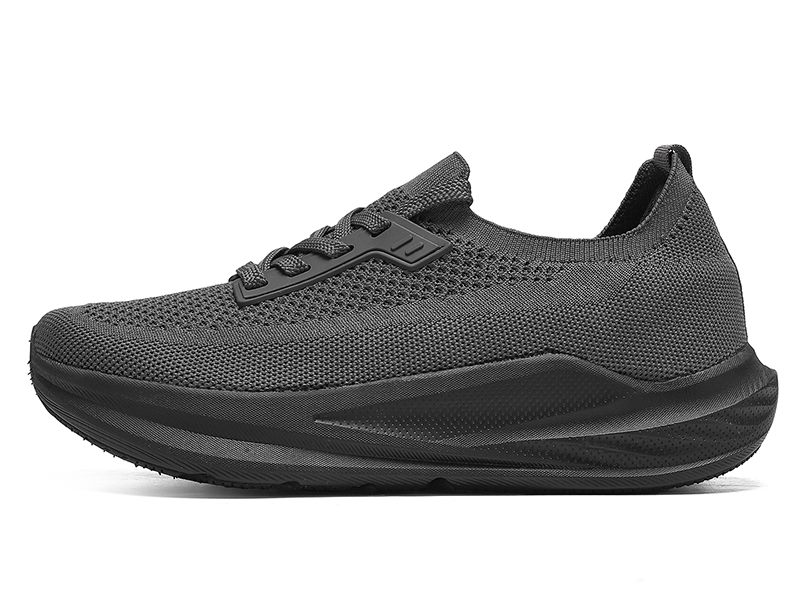
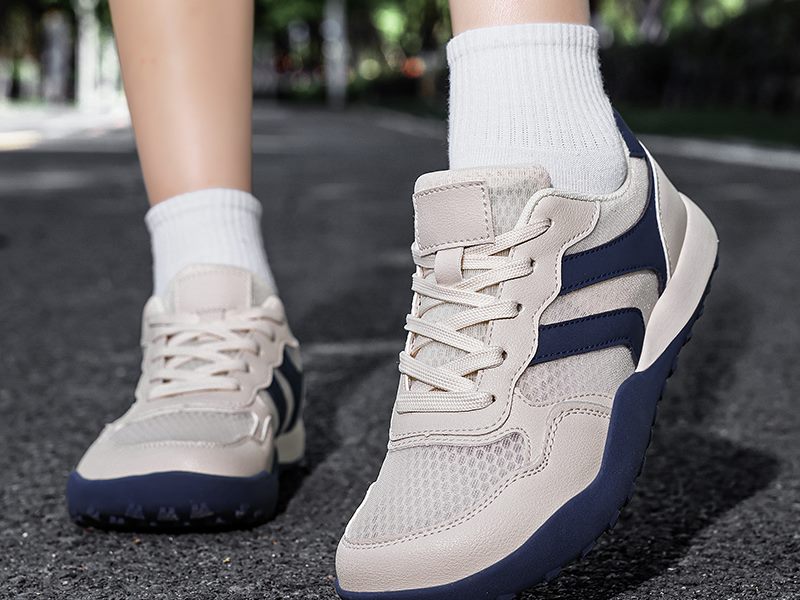
A wide toe box shoe is built on a last (the foot-shaped form a shoe is made around) that is widest at the toes instead of tapering to a point. The front of the shoe follows the natural outline of the foot, giving the toes room to lie flat and spread as you walk.
How it differs from a standard shoe
| Standard tapered last | Wide toe box last | |
|---|---|---|
| Forefoot shape | Narrows toward a point, often symmetrical | Follows the foot outline; widest at the toes |
| Toe room | Toes are pushed together | Toes can lie in their natural position |
| Typical sole | Any — often raised heel and toe spring | Varies: from flat, flexible barefoot-style soles to cushioned midsoles |
"Wide toe box" describes the shape of the front of the shoe. It is not the same as a "wide width" fitting (a whole shoe made wider), and it does not automatically mean a barefoot shoe — see wide toe box vs barefoot shoes.
Who buys wide toe box shoes
- People who want more toe room in everyday casual shoes and sneakers
- Walkers and travellers who spend long days on their feet
- Parents looking for roomy, flexible shoes for children
- Customers who find standard pointed shoes tight across the toes
What buyers should check when sourcing
- The last, not just the look. Ask for a top-view photo of the insole or a last outline — the widest point should sit at the toes.
- Sole type. Decide whether your customer wants a flat, flexible barefoot-style sole or a cushioned midsole (EVA / MD).
- Upper material. Knit and soft microfiber let the forefoot move; stiff overlays across the toes can cancel out the wide toe box.
- Size run. Wide toe box customers often need extended sizes — our adult range runs up to EU 48/49.
- Consistency. Check that every size in the run keeps the same forefoot shape.
Note: this article describes shoe construction. It is not medical advice, and we do not make medical claims for our products.